Table of Contents
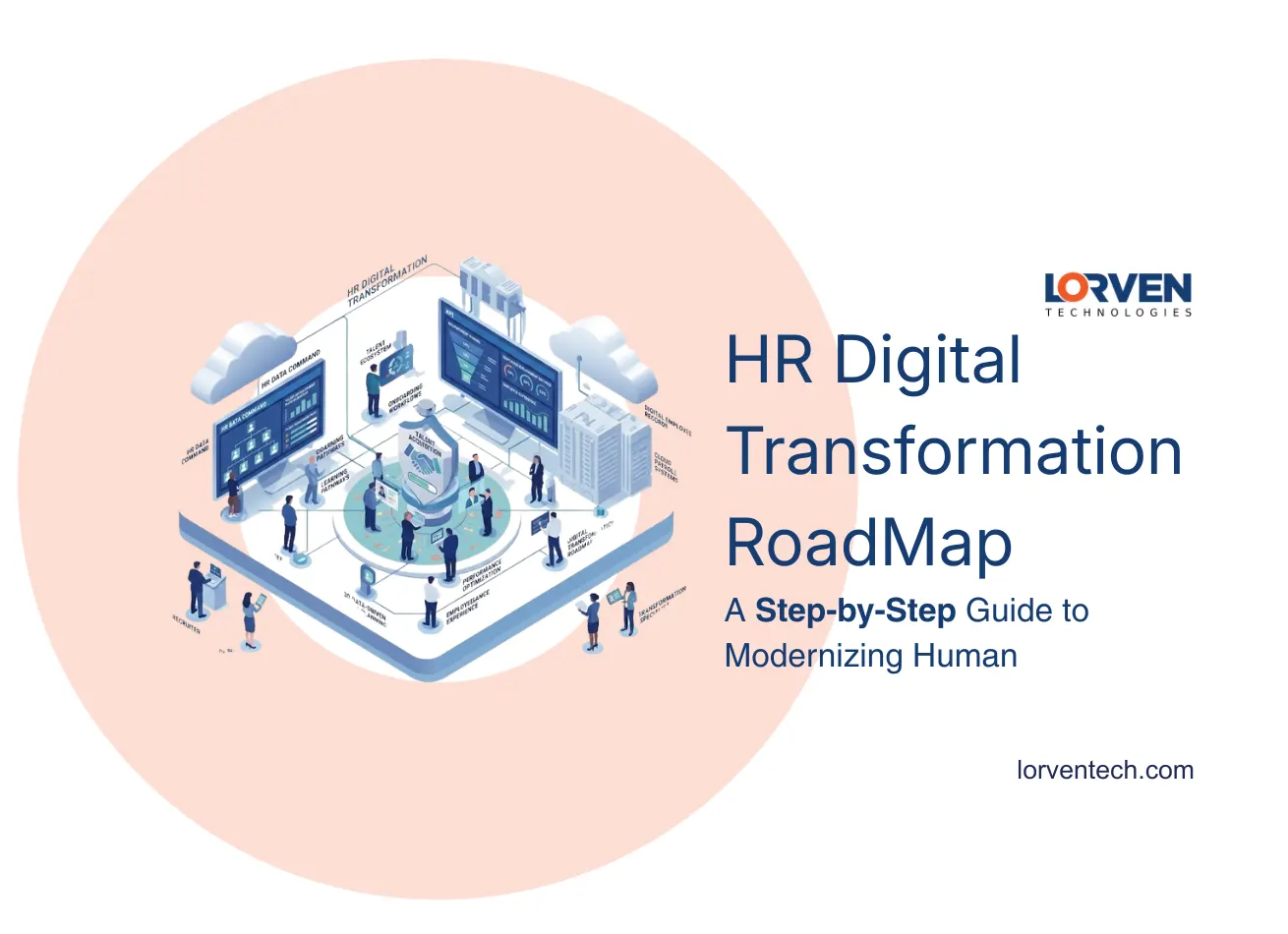
Digital transformation is reshaping every business function, and Human Resources is no exception. HR digital transformation enables organizations to streamline HR processes, enhance employee experiences, and make data-driven workforce decisions using modern technologies such as AI, cloud platforms, automation, and analytics.
A well-planned HR digital transformation roadmap helps organizations modernize recruitment, onboarding, performance management, learning, and employee engagement while aligning HR initiatives with business goals. Whether you’re starting your transformation journey or optimizing existing HR operations, having a structured roadmap ensures sustainable growth and long-term success.
In this guide, you’ll discover the key steps, benefits, challenges, and best practices to successfully implement HR digital transformation and build a future-ready workforce.
What Is HR Digital Transformation?
HR digital transformation is the process of integrating digital technologies into Human Resources to improve how organizations attract, manage, develop, and retain talent. It goes beyond digitizing paperwork by transforming HR into a strategic, data-driven function that enhances both employee experience and business performance.
A successful HR digital transformation roadmap combines technology, people, and processes to streamline recruitment, automate routine HR tasks, improve workforce analytics, and support informed decision-making. By leveraging AI, cloud-based HR platforms, automation, and analytics, organizations can build a more agile and future-ready workforce.
From Traditional HR to Digital HR
HR has evolved from manual, administrative operations to intelligent, technology-enabled workforce management.
| Table Header | Table Header |
|---|---|
|
Paper-based records |
Cloud-based HR systems |
|
Manual recruitment |
AI-assisted hiring |
|
Classroom training |
Digital learning platforms |
|
Manual performance reviews |
Continuous performance management |
|
Basic reporting |
Real-time HR analytics |
Modern HR digital transformation empowers HR teams to focus on strategic initiatives such as employee engagement, workforce planning, and organizational growth rather than repetitive administrative tasks.
Why Your Organization Needs an HR Digital Transformation Roadmap?
As businesses grow, HR teams manage increasing volumes of recruitment, onboarding, employee development, compliance, and performance management. Relying on manual processes can lead to inefficiencies, inconsistent employee experiences, and slower decision-making.
An HR digital transformation roadmap provides a structured approach to modernizing HR operations. It helps organizations prioritize technology investments, automate repetitive tasks, improve workforce visibility, and align HR strategies with overall business objectives.
By implementing HR digital transformation, organizations can build a more agile HR function that supports business growth, enhances employee engagement, and adapts quickly to changing workforce needs.
Key Business Benefits
- Faster Talent Acquisition – Simplify hiring with AI-powered recruitment and applicant tracking systems.
- Improved Employee Experience – Deliver seamless onboarding, self-service portals, and personalized learning.
- Data-Driven HR Decisions – Use workforce analytics to improve planning and performance.
- Increased Operational Efficiency – Automate routine HR processes to reduce manual effort.
- Better Compliance & Security – Maintain accurate records and support regulatory compliance with secure HR platforms.
- Scalable Workforce Management – Adapt HR operations as your organization grows.
Benefits of HR Digital Transformation
Implementing HR digital transformation helps organizations move beyond manual HR processes and create a more connected, efficient, and employee-centric workplace. With the right HR digital transformation roadmap, HR teams can improve productivity, enhance employee experiences, and support long-term business growth.
Key Benefits
- Faster Recruitment
Accelerate hiring with AI-powered candidate screening, applicant tracking systems (ATS), and automated interview scheduling. - Improved Employee Experience
Deliver seamless onboarding, self-service portals, personalized learning, and continuous performance management. - Smarter Workforce Decisions
Leverage HR analytics and real-time insights to improve workforce planning, employee retention, and performance. - Increased HR Efficiency
Automate repetitive tasks such as leave management, payroll coordination, document processing, and approvals, allowing HR teams to focus on strategic initiatives. - Better Compliance & Data Security
Centralize employee records, improve data accuracy, and support regulatory compliance with secure cloud-based HR systems. - Scalable HR Operations
Build flexible HR processes that support business growth, remote work, and evolving workforce requirements.
The 7-Step HR Digital Transformation Roadmap
A successful HR digital transformation roadmap provides a structured approach to modernizing HR operations and improving workforce management. Follow these seven essential steps to build a future-ready HR function.
- Assess Your Current HR Processes
Evaluate your existing HR workflows, systems, and employee experiences. Identify manual processes, technology gaps, and areas that can benefit from automation to establish a clear starting point for HR digital transformation.
- Define HR Goals and Objectives
Set measurable goals aligned with business priorities, such as improving hiring efficiency, enhancing employee engagement, reducing administrative workload, or increasing workforce productivity.
- Choose the Right HR Technologie
Select scalable HR solutions that support your business needs, including HRMS, ATS, payroll systems, Learning Management Systems (LMS), employee self-service portals, and cloud-based HR platforms.
- Automate Core HR Processes
Automate repetitive tasks such as recruitment, onboarding, attendance, leave management, payroll, and performance reviews to improve efficiency and reduce manual effort.
- Leverage AI and HR Analytics
Use AI-powered recruitment, workforce analytics, and predictive insights to make informed HR decisions, identify talent trends, and improve employee retention.
- Enable Change and Upskill Employees
Support HR digital transformation with effective change management, employee training, and leadership engagement to encourage adoption of new technologies and processes.
- Measure,Optimize, and Scale
Track key HR metrics, gather employee feedback, and continuously optimize your HR strategy. As your organization grows, scale successful initiatives across the business.
Common Challenges in HR Digital Transformation
While HR digital transformation offers significant business benefits, organizations may face challenges during implementation. Identifying these obstacles early helps ensure a smoother and more successful transformation journey.
- Resistance to ChangeEmployees and managers may be reluctant to adopt new HR technologies. Effective communication, leadership support, and training are essential for successful adoption.
- Legacy HR Systems
Outdated HR applications often lack integration capabilities, making it difficult to connect with modern cloud-based platforms and digital tools. - Data Privacy & Compliance
HR manages sensitive employee information, making data security, privacy, and regulatory compliance a critical part of every HR digital transformation roadmap. - Technology Integration
Connecting HR systems with payroll, finance, ERP, and collaboration platforms requires careful planning to ensure seamless data flow. - Skills & Digital Adoption
The success of HR digital transformation depends on equipping HR teams and employees with the skills needed to effectively use new technologies.
Technologies Powering HR Digital Transformation
Modern HR digital transformation is enabled by technologies that automate processes, improve decision-making, and create better employee experiences.
| Technology | Business Value |
|---|---|
|
Artificial Intelligence (AI) |
Resume screening, candidate matching, and HR chatbots |
|
HRMS / HCM |
Centralized employee records and workforce management |
|
Applicant Tracking System (ATS) |
Streamlined recruitment and hiring |
|
Learning Management System (LMS) |
Employee training and continuous learning |
|
HR Analytics |
Workforce insights and performance tracking |
|
Cloud HR Platforms |
Secure, scalable, and accessible HR operations |
|
Automation (RPA) |
Reduces repetitive administrative tasks |
Conclusion
HR digital transformation is no longer an option it’s a strategic investment in building a more agile, efficient, and employee-centric organization. By following a structured HR digital transformation roadmap, businesses can modernize HR operations, enhance employee experiences, improve workforce decision-making, and support long-term growth.
Whether you’re beginning your digital HR journey or optimizing existing processes, the right strategy and technology can help your HR team become a key driver of business success.
Ready to Transform Your HR Operations?
At Lorven Technologies, we help organizations modernize their HR functions with AI-powered solutions, cloud technologies, automation, and data-driven insights. Our experts work closely with your team to develop an HR digital transformation roadmap that aligns with your business goals and workforce strategy.
Connect with our team today to start building a smarter, future-ready HR organization.
HR digital transformation is the process of using digital technologies such as AI, cloud platforms, automation, and analytics to improve HR operations, enhance employee experiences, and support strategic workforce management.
An HR digital transformation roadmap provides a clear plan for implementing HR technologies, prioritizing initiatives, managing change, and ensuring transformation efforts align with business objectives.
Common technologies include AI-powered recruitment tools, Human Resource Management Systems (HRMS), Applicant Tracking Systems (ATS), cloud-based HR platforms, Learning Management Systems (LMS), HR analytics, and automation solutions.
Organizations can improve recruitment, enhance employee experience, automate routine HR tasks, make data-driven workforce decisions, strengthen compliance, and build scalable HR operations.
The timeline depends on the organization’s size, existing HR systems, and business objectives. Most organizations implement HR digital transformation in phases, allowing continuous improvement and successful adoption.
How to Develop AI Software: A Step-by-Step Guide for Businesses
As global macroeconomic conditions worsen and funding slowdown continues, Indian startups are cutting their spends on an integral part of tech businesses.
GenAI vs. AI Agents vs. Agentic AI: Key Differences and Enterprise Use Cases
As global macroeconomic conditions worsen and funding slowdown continues, Indian startups are cutting their spends on an integral part of tech businesses.

Cybersecurity Best Practices: A Practical Guide for Businesses
As global macroeconomic conditions worsen and funding slowdown continues, Indian startups are cutting their spends on an integral part of tech businesses.
Partner with us for Comprehensive IT
We’re happy to answer any questions you may have and help you determine which of our services best fit your needs.
Your benefits:
- Client-oriented
- Independent
- Competent
- Results-driven
- Problem-solving
- Transparent
What happens next?
We Schedule a call at your convenience
We do a discovery and consulting meting
We prepare a proposal